How Green Amethyst Gets Its Colour
This page explains how green colour develops in prasiolite and what treatment means. If you mainly want shopping advice, use the simpler Natural vs. Treated guide.
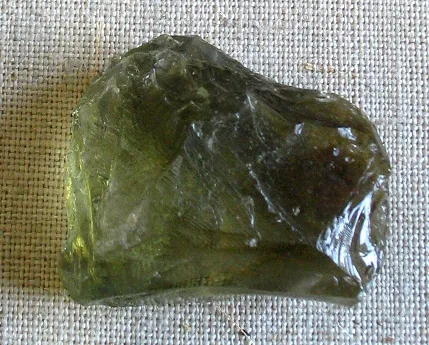
Most commercial prasiolite is real quartz whose green colour was produced through treatment. Treatment does not make the stone fake; clear disclosure is what matters.
- Most commercial prasiolite is produced by treatment.
- Heating certain amethyst can create green quartz.
- Irradiation can also create or modify green color in quartz.
- Natural origin cannot be assumed from appearance.
Why treatment is common
Only certain quartz material responds with the desired green color. Commercial processes allow producers to create consistent pale green stones from suitable starting material.
From quartz to green prasiolite
Heat treatment and irradiation
Heat treatment changes color centers associated with trace elements and structural defects. Irradiation can also alter color centers. Exact identification of treatment may require advanced testing, and the result may be difficult to determine from appearance alone.
What treatment means for buyers
Treated prasiolite can be attractive and durable. The buyer should receive honest disclosure and should not pay a rarity premium based on unsupported claims of natural color.
Is treated prasiolite fake?
No. It is real quartz whose color has been changed or enhanced. It becomes misleading only when treatment or origin is represented inaccurately.
Treatment reference
Green quartz can reach the market through more than one colour-producing route. The important distinction for a buyer is not whether treatment is “good” or “bad,” but whether the seller describes the material accurately.
| Route | What happens | Buyer takeaway |
|---|---|---|
| Heating certain amethyst | Controlled heating can shift suitable purple quartz toward green. | This is a known commercial route to prasiolite and should be disclosed as treated. |
| Irradiation of suitable quartz | Radiation can create green colour in some quartz; some processes may use heat as well. | Again, the important issue is disclosure rather than assuming all green quartz was produced the same way. |
| Natural geological formation | Rare natural conditions can produce green quartz without human treatment. | A natural-colour claim can matter, but appearance alone is not enough to establish origin. |
Treatment reference at a glance
| Colour route | Plain-English meaning | Buyer takeaway |
|---|---|---|
| Heat treatment | Suitable quartz is heated and develops a green colour. | A legitimate gemstone treatment; the seller should describe treatment clearly when disclosure is material. |
| Irradiation, sometimes with heat | Radiation changes colour centres in the quartz; some processes also use heat. | Treated quartz is still quartz. Treatment history and any special care should be disclosed appropriately. |
| Natural green colour | Green colour can occur through natural geological processes. | Natural-colour claims deserve evidence when they are used to justify a large premium. |