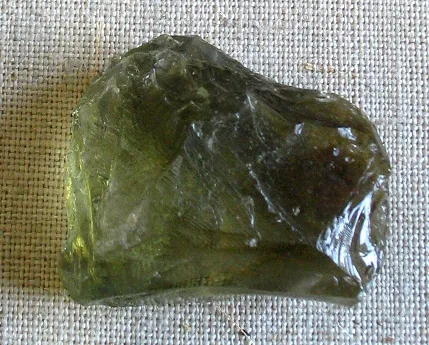
The terms that matter
| Claim | What it should mean |
|---|---|
| Natural quartz | The material is quartz formed in nature, rather than glass or a laboratory-grown imitation. |
| Natural colour | The green colour developed without human treatment. This is a much narrower and harder-to-support claim. |
| Treated prasiolite | Natural quartz whose visible colour was changed through a treatment process. |
| Simulant | A different material, such as coloured glass, presented to resemble prasiolite. |
How treatment creates the green colour
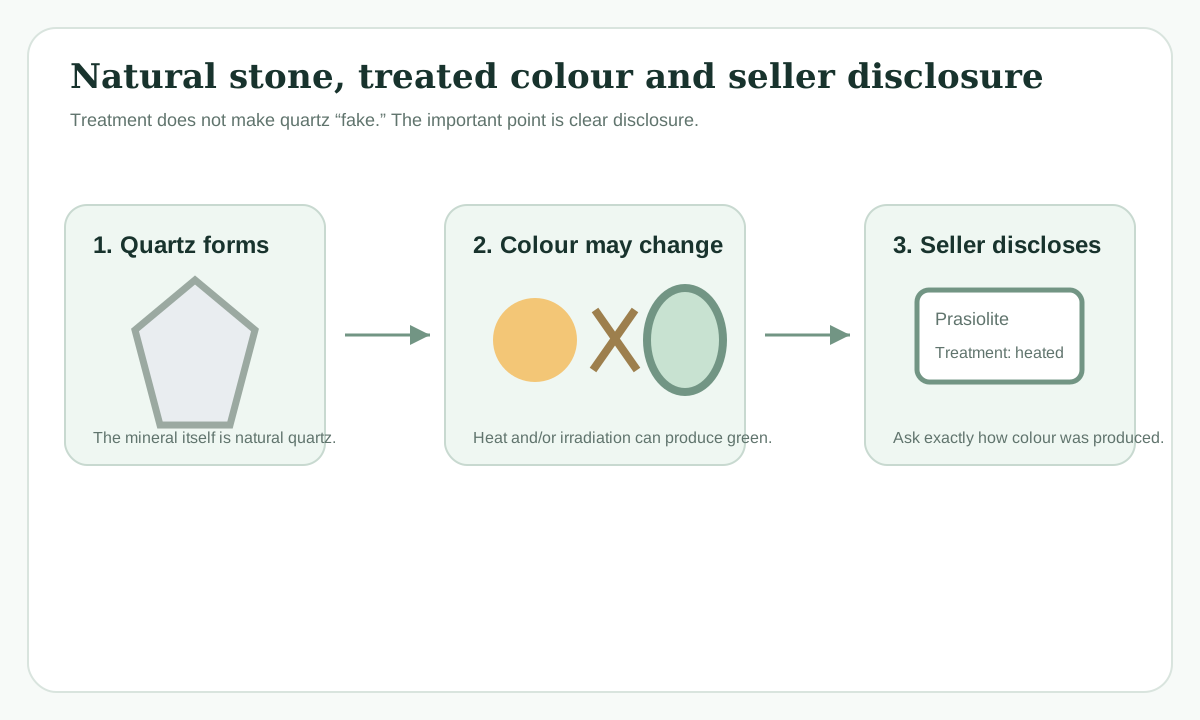
Some iron-bearing quartz can develop a green to yellow-green appearance after carefully controlled heating. Irradiation may also be used in commercial production. Results depend on the starting material, and not every amethyst deposit responds the same way.
Is treated prasiolite authentic?
A treated stone can still be genuine quartz and genuine prasiolite in ordinary trade usage. It should not, however, be promoted with unsupported claims of exceptional natural rarity. Price should reflect beauty, cutting, size, craftsmanship, verification, and disclosure—not vague rarity language.
Questions to ask a seller
- Is this natural quartz?
- Is the green colour believed to be natural or treatment-produced?
- What treatment has been disclosed by the supplier?
- Is the description written on the invoice?
- Is there a return period if independent testing contradicts the description?
When a laboratory report makes sense
Independent documentation is most useful when the price depends on a claim of natural colour, unusual origin, or exceptional rarity. For ordinary commercial jewelry, a transparent seller description may be more practical than laboratory testing.
Three things worth confirming
How to read seller wording
Seller language can sound more precise than it really is. The wording below helps separate a useful disclosure from a marketing phrase.
| Listing wording | What it tells you | What it does not prove |
|---|---|---|
| “Natural gemstone” | The material may be naturally formed quartz. | It does not automatically mean the green colour is untreated. |
| “Natural colour” / “untreated colour” | A specific claim about colour origin. | It deserves documentation if that claim adds a large price premium. |
| “Genuine green amethyst” | Usually a claim that the stone is quartz rather than an imitation. | It does not establish whether colour was produced by treatment. |
| “Prasiolite” | Identifies green quartz material. | The word alone does not disclose treatment. |
| “Rare” | Nothing useful by itself. | It does not prove natural colour, origin, quality, or value. |
Related reading
Research summary: heat and irradiation · Buying guide · Prasiolite definition